CantiDeck style Loading Platforms vs Liftroller Floor: Why Contractors Are Making the Switch
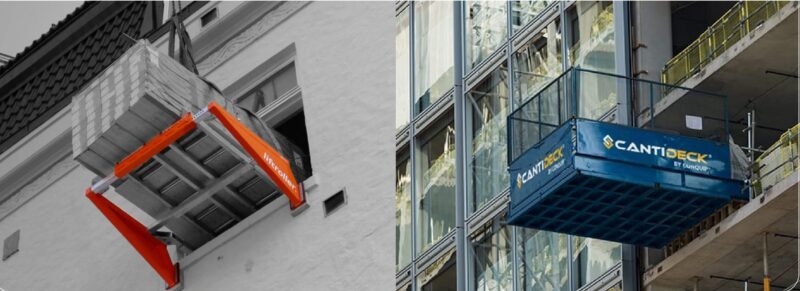
When it comes to material handling on construction sites, choosing the right loading platform can make or break your project's efficiency and safety. Two popular options dominate the market: traditional CantiDeck style loading platforms and the innovative Liftroller Floor system.
But which one is right for your project? Let's break down the key differences and explore why many contractors are making the switch.
Understanding CantiDeck Style Loading Platforms
CantiDeck style platforms have been a construction industry staple for decades. These cantilevered platforms extend from building structures to provide temporary loading areas for materials and equipment.
Traditional CantiDeck Features:
Fixed position once installed
Manual loading and unloading of materials
Standard weight capacity for general construction materials
Basic safety features including guardrails and mesh sides
Temporary installation for project duration
When CantiDeck Works Well:
Simple loading operations with minimal material variety
Projects with consistent access patterns
Budget-conscious installations
Short-term requirements
Introducing Liftroller Floor: The Modern Alternative
Liftroller Floor represents the next generation of material handling technology. This innovative system combines the benefits of traditional loading platforms with advanced motorized movement capabilities.
Liftroller Floor Advantages:
1. Motorized Material Transport
Unlike static platforms, Liftroller Floor can actively move materials horizontally along tracks, eliminating manual pushing and pulling.
2. Reduced Manual Handling
80% reduction in physical strain on workers
Fewer injuries related to material handling
Improved productivity through efficient transport
3. Versatile Load Management
400kg capacity for heavy construction materials
Smooth movement through doorways and tight spaces
Precise positioning for accurate placement
4. Enhanced Safety Features
Emergency stop controls for immediate response
Integrated safety systems beyond basic guardrails
Operator training programs for safe operation
Head-to-Head Comparison
Installation and Setup
CantiDeck Style:
Quick installation process
Minimal setup requirements
Standard mounting procedures
Basic safety checks
Liftroller Floor:
Professional installation recommended
System calibration required
Comprehensive safety testing
Operator training included
Material Handling Efficiency
CantiDeck Style:
Manual material movement
Multiple workers needed for heavy items
Time-consuming loading/unloading
Physical strain on operators
Liftroller Floor:
Automated material transport
Single operator can handle heavy loads
Rapid loading/unloading cycles
Minimal physical effort required
Cost Analysis
Initial Investment:
CantiDeck: Lower upfront cost
Liftroller Floor: Higher initial investment
Operational Costs:
CantiDeck: Higher labor requirements, potential injury costs
Liftroller Floor: Reduced labor needs, lower injury risk
Long-term ROI:
CantiDeck: Limited efficiency gains
Liftroller Floor: Significant productivity improvements
Real-World Performance: Case Studies
Urban Renovation Project
Challenge: Limited access, heavy materials, tight timelines
CantiDeck Solution:
6 workers required for material handling
45 labor hours for specific material loads
Manual positioning limitations
Liftroller Floor Solution:
2 workers sufficient for same loads
6 labor hours for identical materials
Precise automated positioning
Result: 87% reduction in labor hours, faster project completion
High-Rise Construction
Challenge: Repetitive material transport, multiple floors
CantiDeck Performance:
Consistent manual handling fatigue
Productivity decline over project duration
Higher injury risk with repetitive strain
Liftroller Floor Performance:
Consistent automated efficiency
Maintained productivity throughout project
Reduced workplace injuries
Why Contractors Are Making the Switch
1. Labor Shortage Solutions
With skilled construction labor becoming increasingly scarce and expensive, Liftroller Floor allows contractors to:
Accomplish more with fewer workers
Reduce dependency on manual labor
Attract workers with better working conditions
2. Safety Improvements
Modern safety requirements demand better protection for workers:
Reduced manual handling injuries
Lower insurance premiums
Improved safety reputation
Compliance with evolving regulations
3. Competitive Advantage
Projects completed faster and safer provide:
Better client satisfaction
Improved bid competitiveness
Enhanced company reputation
Increased profit margins
4. Future-Proofing
Investment in modern technology ensures:
Readiness for industry evolution
Compatibility with emerging standards
Long-term operational efficiency
Making the Right Choice for Your Project
Choose CantiDeck Style When:
Budget is the primary constraint
Simple, one-time loading requirements
Short-duration projects
Minimal material handling complexity
Choose Liftroller Floor When:
Repetitive material handling is required
Worker safety is a priority
Long-term efficiency matters
Heavy or awkward materials need transport
Labor costs are significant
Implementation Considerations
Planning for Liftroller Floor
Site Assessment: Professional evaluation of installation requirements
Training Program: Comprehensive operator education
Integration Planning: Coordination with existing workflows
Maintenance Schedule: Regular system maintenance for optimal performance
Transition Strategy
Many contractors opt for a gradual transition approach:
Trial project with Liftroller Floor to evaluate benefits
Performance comparison with previous CantiDeck projects
ROI analysis based on real project data
Full adoption once benefits are proven
The Future of Material Handling
The construction industry continues evolving toward greater efficiency and safety. While CantiDeck style platforms served their purpose well, modern projects demand more sophisticated solutions.
Liftroller Floor represents this evolution, offering contractors the tools they need to:
Meet increasing safety standards
Improve project efficiency
Reduce operational costs
Enhance competitive positioning
Conclusion
The choice between CantiDeck style loading platforms and Liftroller Floor ultimately depends on your project requirements, budget considerations, and long-term business strategy.
However, as the construction industry continues to prioritize safety, efficiency, and worker welfare, more contractors are discovering that the initial investment in Liftroller Floor technology pays dividends through:
Reduced labor costs
Improved safety records
Faster project completion
Enhanced reputation
The question isn't whether to upgrade your material handling systems, but when to make the transition that keeps your business competitive in an evolving industry.